

Plant Care By Month: Your Year‑Round Growing Companion

Chosen theme: Plant Care By Month. Welcome to a friendly, inspirational starting point for turning seasonal rhythms into simple habits that help every plant thrive, one month at a time.

January–February: Quiet Roots, Smart Plans

Short days can nudge plants into semi‑dormancy, so focus on maximizing light without shocking them. Rotate pots weekly, clean dusty leaves to improve photosynthesis, and reposition plants away from drafty panes while still capturing precious winter sun.

January–February: Quiet Roots, Smart Plans

Less growth means slower drinking. Instead of a fixed schedule, check soil moisture with your finger, water only when the top inch dries, and boost humidity using trays or grouped plants to prevent crispy tips during heated, indoor months.

Repotting with Intention

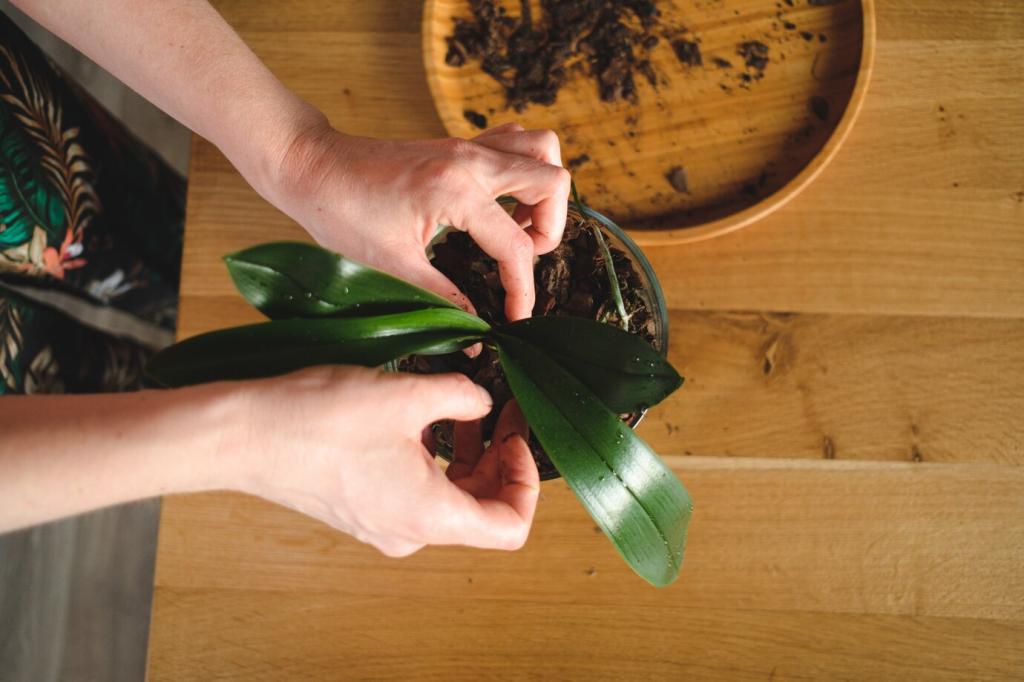
Early spring is prime time for repotting root‑bound plants into slightly larger homes. Loosen circling roots, refresh the potting mix, and water lightly. Share a photo of your mess‑turned‑magic repotting day to inspire fellow growers this month.

Seed‑Starting Confidence

For many edibles and annuals, March seed‑starting works beautifully. Use a gentle heat mat, bright light, and sterile mix. Keep a simple log of germination dates, and ask questions in the thread if any seedlings look leggy or pale.

April–May: Transplants, Pruning, and Outdoor Acclimation

Last spring, I rushed and sunburned basil in a single afternoon. Learn from my mistake: introduce plants to outdoor conditions for a few hours daily, gradually increasing time and sun exposure across one to two weeks before planting out.

April–May: Transplants, Pruning, and Outdoor Acclimation

Remove dead or crossing branches to open airflow and reduce disease. Clean tools between cuts and step back frequently to evaluate structure. Tell us your trick for fearless pruning and we’ll feature top tips in next month’s roundup.

April–May: Transplants, Pruning, and Outdoor Acclimation

As growth ramps up, begin a diluted, balanced fertilizer every two to four weeks. Look for firm new leaves and deeper color as signs you’re on track. Subscribe to receive an April nutrient guide aligned with your most common plant types.


June: Training Growth, Water Wisdom, Early Harvests

Support tall growers before winds test them. Install stakes or trellises early, and pinch side shoots on varieties that benefit from direction. Share a photo of your most creative trellis solution to help newcomers imagine simple, sturdy setups.

July–August: Heat, Hydration, and Pest Vigilance

During heat waves, provide temporary shade cloth and maintain a mulch layer to keep roots cool. Water at dawn, avoid wet foliage at night, and log which beds suffered most so September adjustments feel informed, not frantic or reactive.

September: Renewal, Division, and Smarter Scheduling

Dividing crowded clumps boosts vigor and yields bonus plants. Water well beforehand, replant divisions promptly, and label varieties clearly. Post a before‑and‑after photo set, and tell us which plant surprised you with the fastest bounce‑back growth.

October–November: Cleanup, Bulbs, and Winter Protection

Remove diseased leaves and spent annuals, but keep living mulch or cover crops to prevent erosion. Layer compost where beds need rebuilding. Share your favorite low‑effort cover crop and how it changed your soil texture by the next April.

October–November: Cleanup, Bulbs, and Winter Protection

Plant bulbs at two to three times their height, pointy side up, with well‑drained soil. Mix varieties to stagger bloom times. Post your bulb map to inspire others, and subscribe for a reminder when next year’s green tips should first appear.
Expertsneedednow
Privacy Overview

This website uses cookies so that we can provide you with the best user experience possible. Cookie information is stored in your browser and performs functions such as recognising you when you return to our website and helping our team to understand which sections of the website you find most interesting and useful.