




Your Month-by-Month Plant Care Schedule

Chosen theme: Plant Care Schedule for Each Month. Follow a practical, inspiring calendar that turns seasonal changes into doable monthly tasks, blending science, stories, and community tips. Subscribe for reminders, share your wins, and grow a thriving, resilient collection all year.

The Yearly Rhythm Behind a Monthly Plant Care Schedule

From January’s low light to August’s heat, the year offers a rhythm. We translate broad seasonal shifts into monthly checklists so you can water, feed, prune, and repot at the right moments, not just when you remember.

January–February: Quiet Growth, Bright Windows, Delicate Watering

Short days challenge photosynthesis. Move plants closer to south-facing windows, rotate weekly, and clean dusty leaves. If you use grow lights, extend daylight to 12 hours, and track adjustments on your January and February schedule for consistent, gentle improvements.

March–April: Wake-Up Care, Repotting Windows, First Feedings

New leaves and longer internodes announce spring. In March and April, increase watering frequency gradually, refresh topsoil, and prepare stakes. Your schedule should note sunrise shifts, helping you pace changes without shocking roots eager to stretch again.

March–April: Wake-Up Care, Repotting Windows, First Feedings

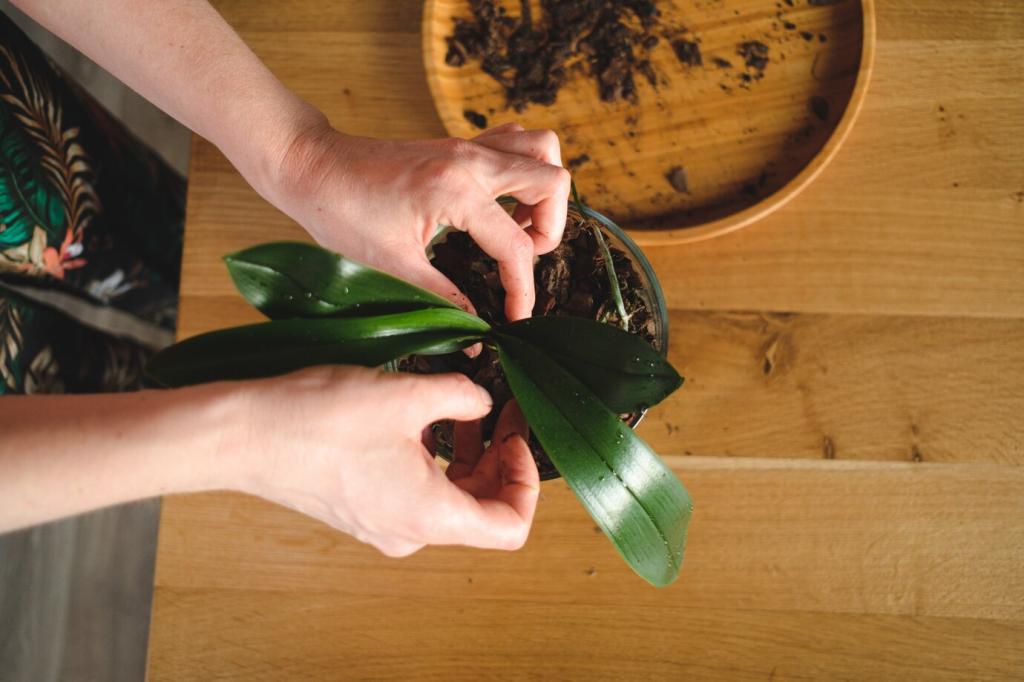
Choose March or April when roots circle pots and fresh growth begins. Up-pot only one size, trim dead roots, and reset the crown height. Record repot dates by plant so your monthly schedule prevents unnecessary disturbances later in the season.

May–June: Expansion, Outdoor Acclimation, and Confident Pruning

If moving plants outside, schedule seven to ten days of gradual exposure in May or early June. Start in shade, increase light slowly, and protect from wind. Your monthly plan reduces sunburn surprises and keeps tender leaves pristine during the transition.

July–August: Heat Management, Consistent Hydration, Vigilant Pest Patrol

Scheduling hydration during heat

High temperatures accelerate transpiration. Plan morning waterings, deeper soaks on heatwave weeks, and humidity boosts at midday. Track pot weights or moisture readings in July and August to keep consistency, preventing the boom-and-bust stress that invites leaf drop.

Managing light and midday stress

Move containers a foot back from blazing glass, add sheer curtains, and provide afternoon shade outdoors. Your monthly schedule should flag forecast extremes, prompting temporary adjustments that protect chlorophyll and keep variegation crisp despite relentless summer sun.

Integrated pest management by month

Warmth favors spider mites, thrips, and mealybugs. Calendar weekly inspections, sticky card checks, and gentle showers. Log any outbreaks in July or August, then share your observations so we can adapt next month’s reminders with targeted, non-toxic interventions.

September–December: Tapering Tasks, Propagation, Reflection, and Winter Prep

In September and October, gradually reduce fertilizer, lengthen watering intervals, and move plants indoors before first frost. Your schedule should capture local dates, helping you avoid shock and prioritize sensitive species that dislike abrupt temperature swings.

September–December: Tapering Tasks, Propagation, Reflection, and Winter Prep

October and November are ideal for dividing crowded clumps, potting rooted cuttings, and refreshing moss poles. Note successes and failures on your monthly tracker so December’s checklist can finalize positions, lighting, and maintenance for calm winter routines.
Expertsneedednow
Privacy Overview

This website uses cookies so that we can provide you with the best user experience possible. Cookie information is stored in your browser and performs functions such as recognising you when you return to our website and helping our team to understand which sections of the website you find most interesting and useful.